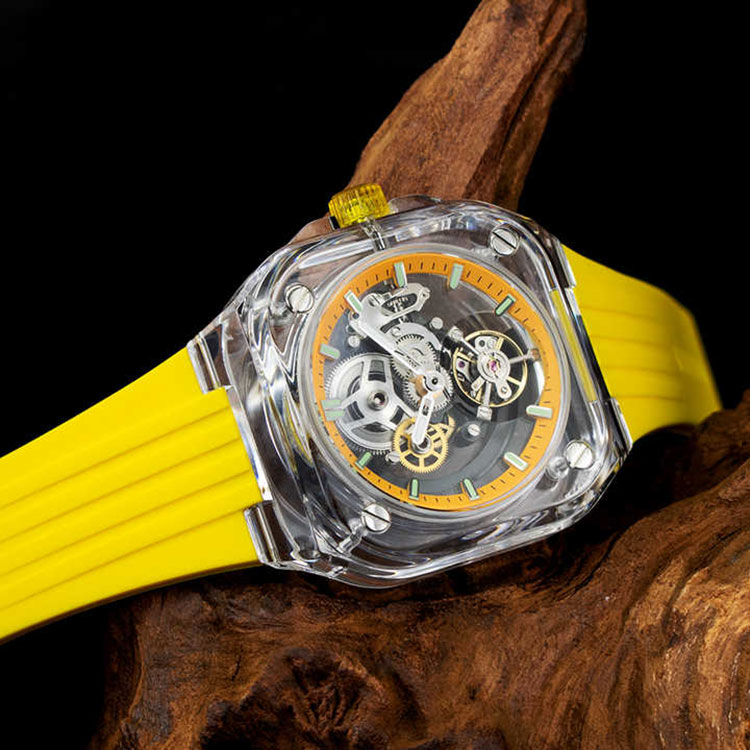
Choosing the right watch crystal is one of the most important decisions in watch design and manufacturing. A crystal’s material affects scratch resistance, clarity, durability, weight, cost, and ultimately the overall value of the timepiece. This guide explains the differences between sapphire, mineral glass, and acrylic, helping brands and watch enthusiasts choose the right option for their needs.
Why Crystal Material Matters for Watches
Impact on Scratch Resistance, Clarity and Longevity
The crystal protects the dial—any scratch, chip, or fogging directly affects visibility and long-term appearance. Material hardness determines how well the crystal resists everyday wear.
How Crystal Choice Affects Value & Maintenance
Luxury watches use premium crystals because they enhance perceived quality, reduce long-term replacement costs, and match high-grade finishing.
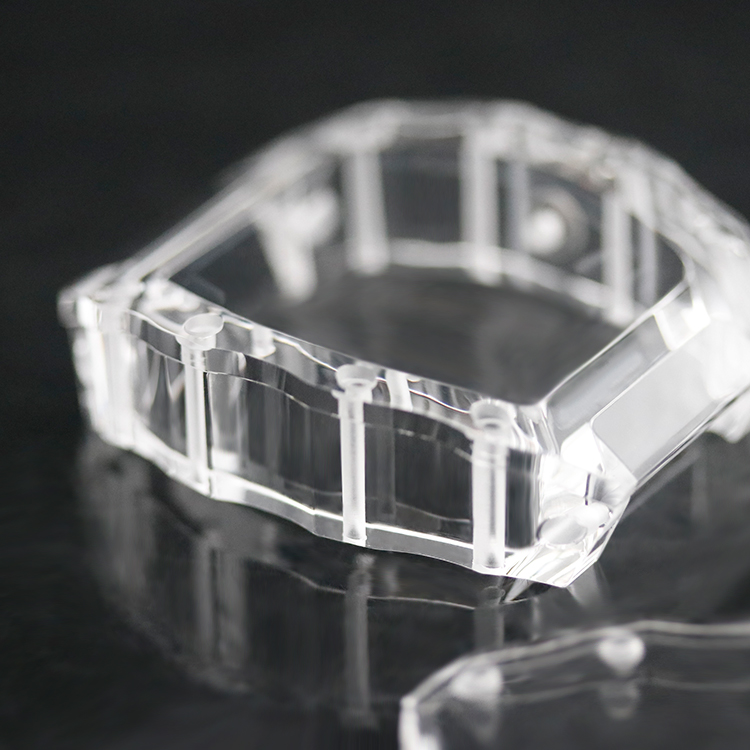
Crystal Types Overview and Technical Background
Sapphire Crystal
Sapphire crystals are made from synthetic corundum (Al₂O₃), grown in high-temperature furnaces and cut into discs.
Key Features:
-
Mohs hardness 9 – second only to diamond
-
Highly scratch-resistant
-
Excellent optical clarity
-
Often paired with anti-reflective (AR) coatings
Mineral Glass
Mineral crystals are made from tempered silica-based glass, sometimes chemically hardened for increased strength.
Key Features:
-
Moderate scratch resistance
-
Better impact tolerance than sapphire
-
Cost-effective for mid-range watches
-
Easy to shape into flat or domed designs
Acrylic / Plexiglass
Acrylic crystals (PMMA) are lightweight plastic materials known for flexibility and resilience.
Key Features:
-
Very impact-resistant and rarely shatter
-
Easily polished to remove scratches
-
Warm vintage appearance
-
Prone to surface scuffs
Pros & Cons Comparison
Hardness & Scratch Resistance
-
Sapphire: ★★★★★ – Best
-
Mineral: ★★★☆☆ – Moderate
-
Acrylic: ★★☆☆☆ – Low
Impact / Shatter Resistance
-
Acrylic: Best flexibility
-
Mineral: Balanced strength
-
Sapphire: Can chip under strong impact
Optical Clarity & AR Options
-
Sapphire + AR: Highest clarity
-
Mineral: Good clarity, limited AR
-
Acrylic: Slight distortion on domes but warm vintage look
Weight, Cost & Replacement
-
Acrylic: Lightest, cheapest
-
Mineral: Moderate cost
-
Sapphire: Highest cost, premium feel
Maintenance & Repair
-
Acrylic: Can be polished
-
Mineral: Usually replaced
-
Sapphire: Rarely scratches, costly to replace
Recommended Use Cases & Design Scenarios
Luxury & Dress Watches → Sapphire Crystal
Perfect for brands prioritizing prestige, scratch resistance, and long-term value.
Daily-Wear & Mid-Range Watches → Mineral Glass
A cost-effective balance between durability and price.
Vintage, Retro, Field or Tool Watches → Acrylic
Ideal for curved domes, warm aesthetics, and strong shock resistance.
Entry-Level or Budget-Focused Collections → Mineral or Acrylic
Delivers good quality while keeping price targets achievable. watcheshome acrylic watch
Manufacturing & Quality Considerations for Watch Brands
Material Sourcing & MOQ
Sapphire typically requires higher MOQs and longer lead times compared to mineral or acrylic.
Engineering Requirements
-
Thickness tolerance
-
Dome or box-shaped crystal geometry
-
AR coating quality
-
Gasket sealing and water-resistance factors
Cost Implications
Sapphire increases overall BOM cost but significantly boosts perceived value and retail pricing power.
Summary: How to Choose the Right Watch Crystal
Decision Criteria
-
Usage: office, sport, casual, field
-
Budget: cost-sensitive vs premium
-
Aesthetics: vintage dome vs modern flat
-
Maintenance: scratch vs shatter priorities