Introduction to the Tourbillon
Historical Origin and Purpose
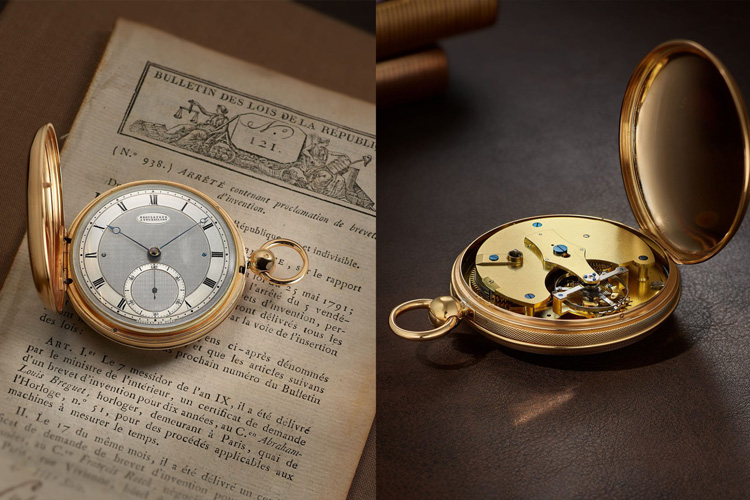
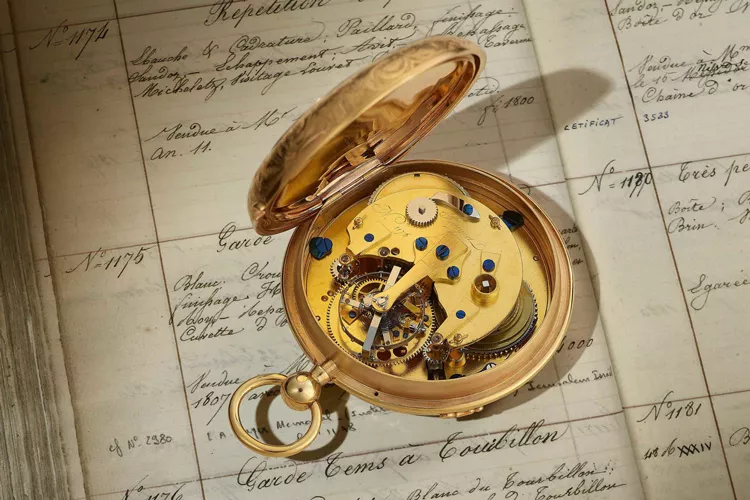
In 1801, Abraham-Louis Breguet patented the tourbillon (French for “whirlwind”), a groundbreaking invention aimed at neutralizing gravity’s disruptive influence on pocket watches carried vertically in a pocket. By mounting the balance, hairspring, and escapement inside a rotating cage that completes one full revolution per minute, Breguet averaged positional errors across all orientations, dramatically improving chronometric performance.
Relevance in Modern Wristwatches
Although wrist movement reduces gravity’s fixed effect compared to pocket watches, the tourbillon endures as the ultimate expression of haute horlogerie. Today it symbolizes unmatched mechanical artistry and precision engineering, often featured in limited-edition masterpieces where every detail is hand-finished to the highest standards.
Core Principle and Mechanical Function
How the Tourbillon Works
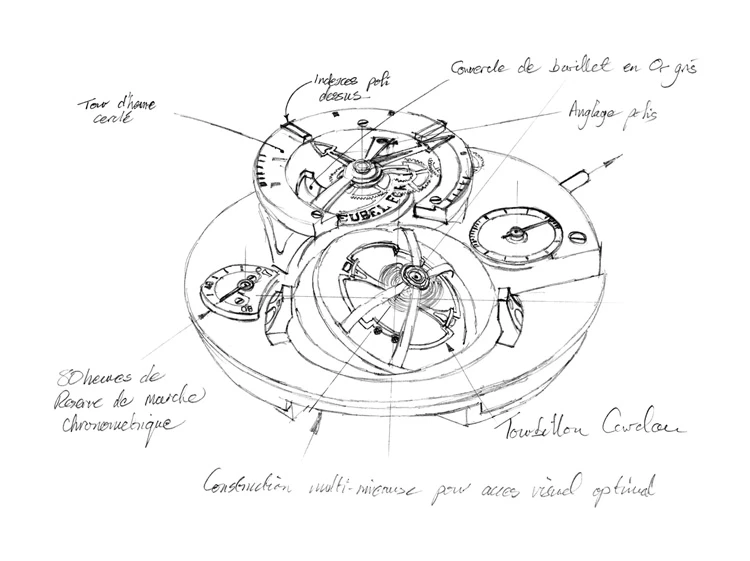
The tourbillon cage rotates the entire regulating organ—balance wheel, hairspring, and escapement—around its own axis (classically once every 60 seconds). This continuous rotation, driven by the fourth wheel via a pinion, ensures the balance never remains in the same gravitational position for long, averaging out rate variations caused by positional errors.
Theoretical Benefit
By averaging errors from the six standard positions (dial up/down, crown left/right/down/up), the tourbillon theoretically minimizes gravity-induced deviations. In practice, it also showcases the watchmaker’s skill in achieving perfect poising and dynamic equilibrium.
Types and Evolutions of Tourbillon Mechanisms
Classic One-Minute Tourbillon
The original Breguet design features a full rotating cage driven directly from the fourth wheel. Visible through sapphire casebacks or apertures, it remains the benchmark for traditional tourbillons.
Flying Tourbillon
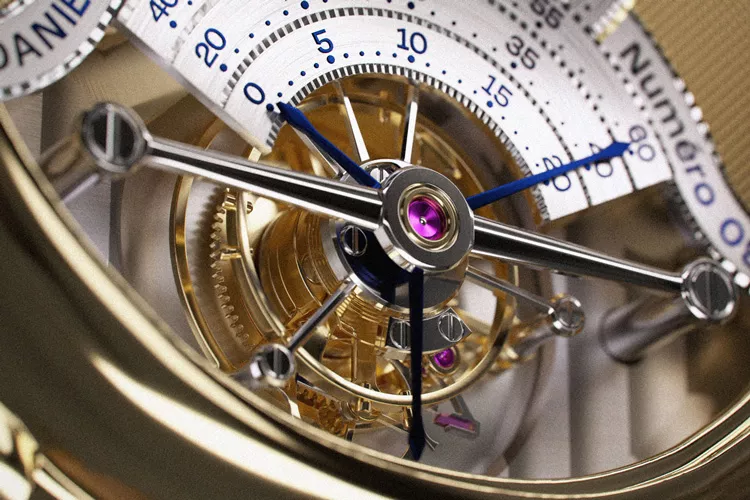
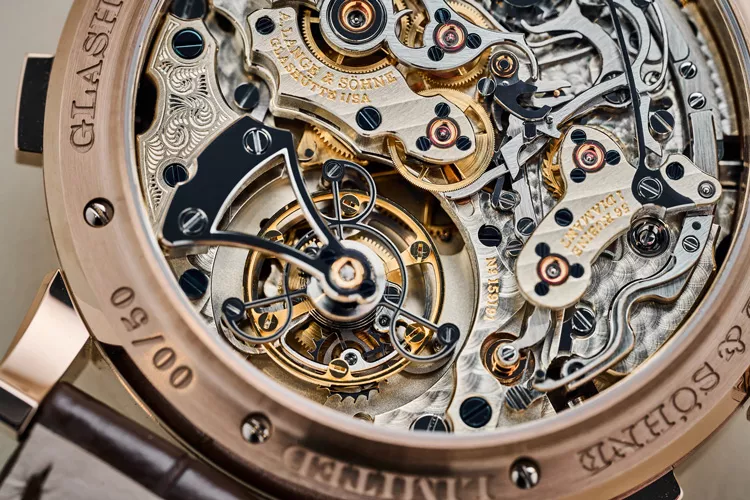
Alfred Helwig’s 1920s invention eliminates the upper bridge, creating the illusion of a cage “flying” supported only from below. Popularized by A. Lange & Söhne, it offers a lighter, more ethereal aesthetic.
Double and Triple Tourbillons
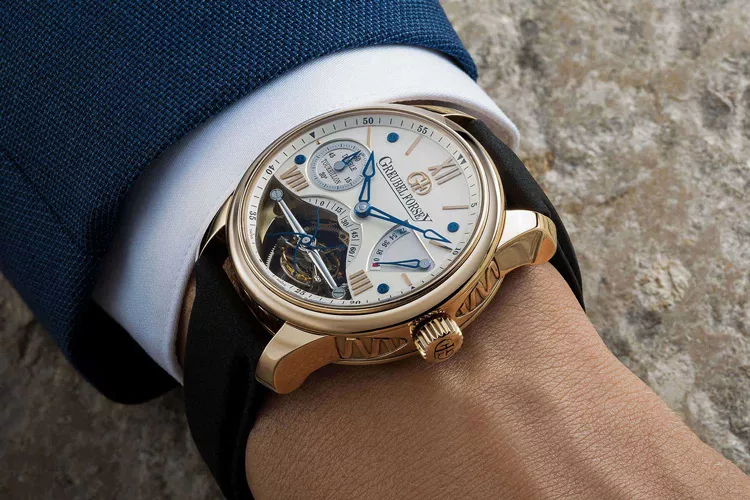
Advanced constructions like Greubel Forsey’s Double Tourbillon 30° (inclined cages) or Girard-Perregaux’s Triple Tourbillon use multiple rotating elements and differential gearing to further average errors across three-dimensional space.
Karussel vs Tourbillon
The karussel rotates the entire escapement via a separate train rather than a direct cage pinion, offering a distinct architecture and aesthetic while achieving similar averaging effects.
2D Rotating Tourbillon
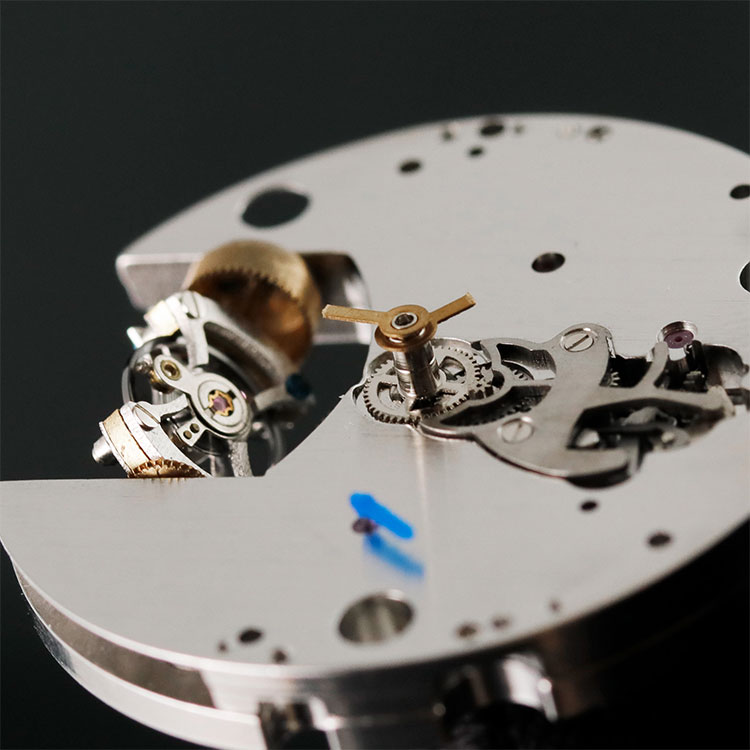
Watcheshome fully in-house developed double-axis flying tourbillon movement, engineered with unwavering precision and visionary craftsmanship.
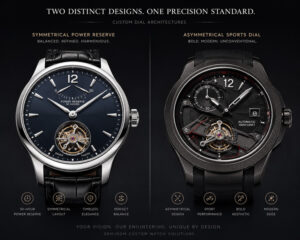
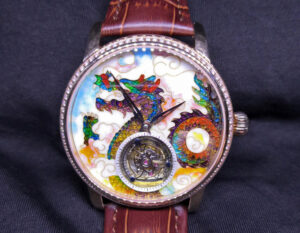
At its core, a finely executed double-axis flying tourbillon rotates gracefully at the lower left. The exposed cage and escapement perform a captivating three-dimensional flipping motion on two axes, creating a mesmerizing display of mechanical poetry. With every silent revolution, it counteracts gravity’s effects from multiple angles, ensuring exceptional accuracy. Meanwhile, the intricate dance of wheels, bridges, and ruby jewels captivates the eye—all meticulously finished on brushed and polished plates.
Technical Challenges and Engineering Solutions
Energy Consumption and Power Reserve
The added mass and friction of the cage historically shortened power reserve. Modern solutions include high-torque barrels, constant-force remontoirs, and efficient gear trains to maintain 72+ hours of autonomy.
Precision Regulation and Isochronism
Perfect balance poising, concentric hairspring breathing, and low-friction materials (silicon, titanium) are essential. Advanced tourbillons integrate silicon escapements to preserve isochronism during rotation.
Shock and Magnetic Resistance
The rotating cage complicates shock absorption. Contemporary designs employ Incabloc or Parashock systems plus silicon components for both shock and 15,000+ gauss magnetic resistance.
Aesthetic and Artistic Value
Showcase of Haute Horlogerie Craftsmanship
Tourbillons feature hand-bevelled bridges, mirror-polished screws, Geneva stripes, and intricate engraving, transforming a functional complication into three-dimensional kinetic art.
Visibility and Transparency
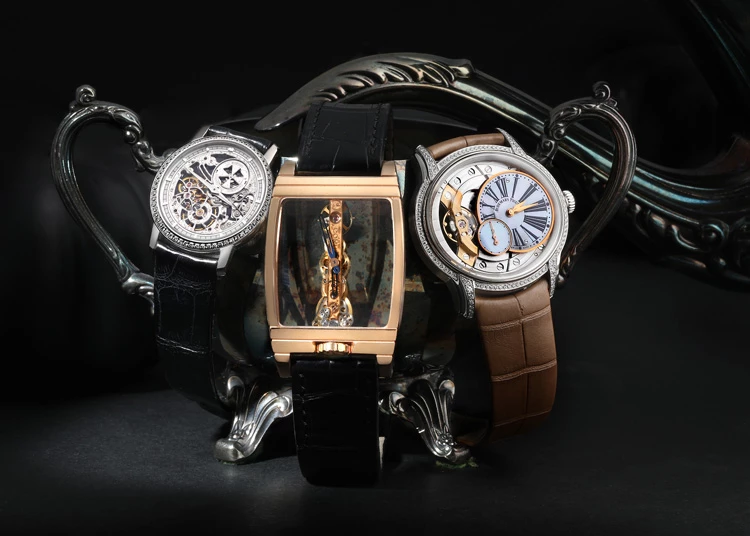
Openworked dials, off-center placements, and full sapphire casebacks make the spinning cage the visual centerpiece, highlighting the watchmaker’s mastery.
Modern Tourbillon Landscape and Accessibility
From Exclusive to More Attainable
Once ultra-exclusive, tourbillons now appear in models under $20,000 from Frederique Constant, Montblanc, and select Chinese manufactures, broadening access to this iconic complication.
Contemporary Innovations
Flying tourbillons with silicon components, inclined-axis doubles, and tourbillon chronographs continue to advance thinness, performance, and visual drama.
Conclusion: The Enduring Significance of the Tourbillon
Beyond Pure Utility
While its practical advantage in wristwatches is debated, the tourbillon remains the pinnacle of mechanical ingenuity—an enduring symbol of humanity’s quest for chronometric perfection.